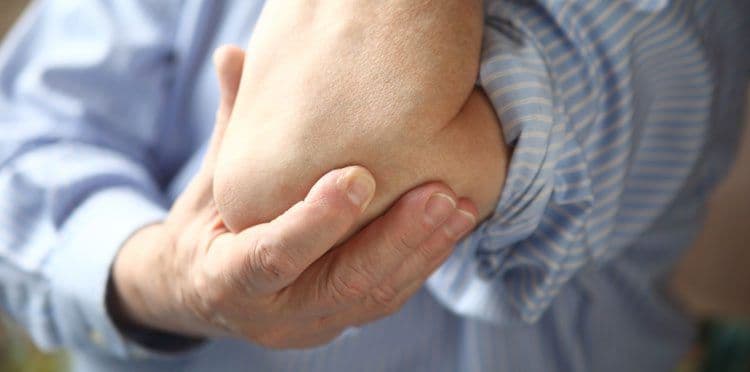
Does picking up a mug, carrying groceries or gripping a racquet make the outside of your elbow hurt? Tennis elbow is one possible explanation, even if you have never played tennis. This guide explains what to notice, what you can change and when to seek an assessment in Winnipeg.
Do I have tennis elbow? Common signs
Tennis elbow, also called lateral epicondylitis or lateral elbow tendinopathy, affects the tendons that connect the forearm muscles to the outside of the elbow. Symptoms often develop gradually rather than after one obvious injury. Repeated gripping and wrist movements at work, during hobbies or in sport can contribute.
Typical clues include tenderness on the outer elbow, pain when gripping or lifting, and discomfort extending into the forearm. Your grip may feel weaker because using it hurts. These clues are not a diagnosis: other tendon, joint or nerve problems can also cause elbow pain.
Read about tennis elbow symptoms and assessment — AAOS OrthoInfo
Should I see a physiotherapist for tennis elbow?
An assessment is a reasonable next step if elbow pain is interfering with your work, sleep or usual activities, keeps returning, or leaves you unsure what movements are safe. You do not need to diagnose yourself before arranging a visit.
A physiotherapist can discuss how your symptoms began, assess movement and strength, and help decide whether physiotherapy or another medical assessment is appropriate. Bring examples of the tasks that hurt and any recent changes in work or training.
If symptoms remain after around two weeks of reducing aggravating activities and trying self-care, seek advice from a healthcare professional. Get help sooner for severe or worsening symptoms.
NHS guidance on tennis elbow and when to seek help
When elbow pain needs urgent medical attention
Seek urgent medical care for severe pain with difficulty moving the arm, a changed arm shape or snapping sound after an injury, new numbness or tingling, or a swollen elbow with fever or feeling unwell. These symptoms should not wait for a routine physiotherapy appointment. Sudden arm pain with chest pressure or heaviness is an emergency: call 911 in Canada.
Further information on warning signs — NHS elbow and arm pain
What should I change in my daily routine?
Start with the activity that consistently brings on symptoms. Temporarily reduce the force, repetitions or duration instead of repeatedly pushing through a painful task. For example, break a long gripping task into shorter sessions and take breaks between them. Use less gripping force when it is safe to do so.
Experiment with a more comfortable lifting position or a lighter load. If racquet sport aggravates your elbow, reduce play while symptoms settle and discuss technique or equipment with an appropriate professional. Buying a new racquet is not automatically the answer.
A forearm strap may ease symptoms during activity for some people, but it does not replace an assessment or a recovery plan. Ask a pharmacist or clinician about appropriate pain relief before starting a new medicine.
Activity changes and support options — Royal Orthopaedic Hospital
Should I rest or exercise my elbow?
A useful approach is relative rest followed by a gradual return to loading. Reduce activities that provoke symptoms while keeping comfortable movement in your day. Stretching and progressive strengthening may form part of a rehabilitation plan; the starting exercise and resistance should suit your symptoms.
There is no single online exercise routine that fits every painful elbow. Ask your physiotherapist which movements to start with, how much discomfort is acceptable, and when to increase resistance or repetitions. If an exercise causes a substantial or lasting flare-up, reduce it and ask for advice rather than forcing progress.
Exercise and gradual loading — NHS Musculoskeletal Matters
Frequently asked questions about tennis elbow
Can I get tennis elbow without playing tennis?
Yes. Repetitive or forceful forearm use in everyday work and hobbies can contribute. The name describes a common condition, not a requirement to play the sport.
How long does tennis elbow take to improve?
Recovery varies. Some symptoms settle over several weeks, while others persist for months or longer than a year. A fixed recovery date cannot be promised. Arrange a reassessment if symptoms are worsening or your current plan is not helping.
Can I keep working or going to the gym?
That depends on your symptoms and the demands of the activity. Discuss temporary changes to painful gripping, lifting or repetitive tasks, then build back gradually. Ask for guidance tailored to your job or training rather than treating pain relief as permission to resume every activity at once.
What should I bring to my first appointment?
Note where the pain is, when it started, which tasks trigger it, and what you have already tried. Bring relevant medical information and questions about your goals, expected follow-up and costs.
Prepare for your first physiotherapy visit
Tennis elbow physiotherapy in Winnipeg
Pro Motion Physiotherapy provides assessment for elbow, wrist and hand concerns in St. Vital, Winnipeg. If elbow pain is getting in the way of your day, arrange an assessment to discuss your symptoms and next steps. Call (204) 560-2999 with questions about appointments.
Explore elbow, wrist and hand physiotherapy
Book a physiotherapy assessment at Pro Motion
This article provides general patient information and cannot diagnose your symptoms or replace an individual assessment.