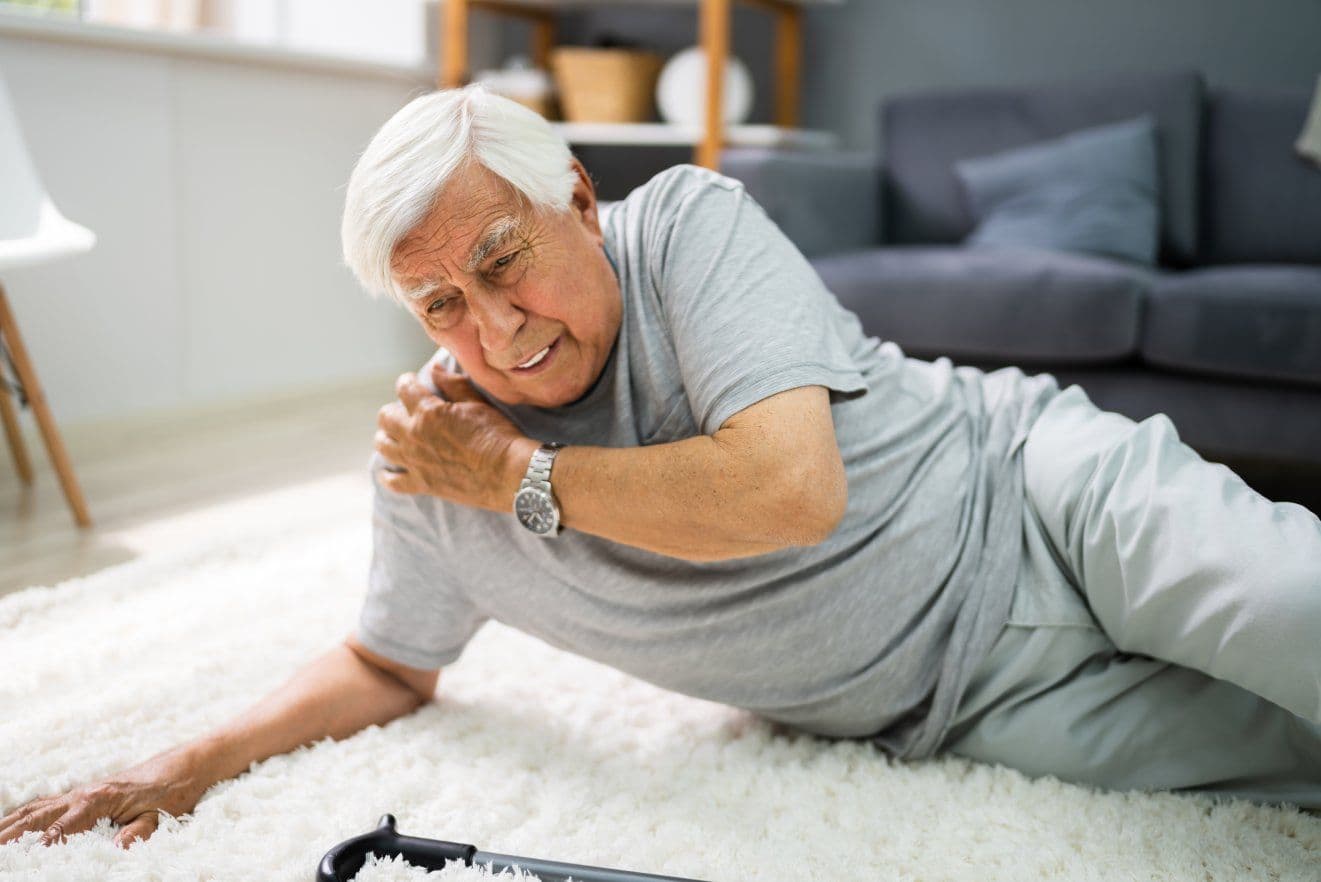
Falls among older adults are often underestimated, but they represent one of the most serious and growing health risks for seniors worldwide. Recent evidence highlights that fall rates among older adults are rising and require urgent attention from healthcare providers, families, and communities.
At Pro-Motion Physiotherapy, we frequently see patients whose mobility, independence, and confidence have been affected by falls. The good news is that many falls are preventable with the right strategies and training.
Why Falls Are a Major Health Concern
Falls are the leading cause of injury-related hospitalization and death among adults aged 65 and older. Studies show that approximately one in four older adults experiences a fall each year, and many of these falls lead to injuries that require medical care.
Common injuries from falls include:
• Hip fractures
• Wrist fractures
• Head injuries
• Reduced mobility and independence
Falls can also lead to a fear of falling, which may cause seniors to reduce physical activity. Reduced activity leads to muscle weakness, poorer balance, and an even higher risk of future falls.
Why Do Falls Happen?
Falls often occur due to multiple risk factors rather than a single cause.
Common contributors include:
Muscle weakness
Loss of lower limb strength affects stability.
Balance and gait problems
Changes in walking pattern increase fall risk.
Medication side effects
Some medications may cause dizziness or slower reaction time.
Vision problems
Reduced depth perception affects safe movement.
Environmental hazards
Loose rugs, poor lighting, and clutter increase risk at home.
Chronic conditions
Conditions such as arthritis, neuropathy, stroke, or Parkinson’s disease can impair mobility.
Physiotherapy addresses many of these modifiable risk factors through strengthening, balance training, and movement retraining.
How Physiotherapy Helps Prevent Falls
Physiotherapy programs for fall prevention typically focus on improving:
• Lower limb strength
• Balance and coordination
• Walking mechanics
• Reaction time
• Confidence in movement
Evidence shows that exercise programs targeting strength and balance are among the most effective ways to reduce fall risk in older adults.
Simple Strengthening Exercises to Reduce Fall Risk
Sit-to-Stand Exercise
Strengthens the quadriceps and hip muscles.
How to perform:
• Sit on a chair
• Stand up without using your hands if possible
• Slowly sit back down
Repeat 10–15 times.
Heel Raises
Improves ankle strength and stability.
How to perform:
• Hold a chair for support
• Raise your heels off the floor
• Slowly lower down
Repeat 10–15 times.
Step-Ups
Improves leg strength and coordination.
How to perform:
• Step onto a low step or stair
• Step back down slowly
Repeat 10 times each leg.
Balance Exercises That Help Prevent Falls
Single-Leg Stand
• Stand near a counter for safety
• Lift one foot slightly off the ground
• Hold for 10 seconds
Repeat both sides.
Tandem Stance (Heel-to-Toe)
• Stand with one foot directly in front of the other
• Hold the position for 10–20 seconds.
Heel-to-Toe Walking
• Walk in a straight line
• Place the heel of one foot directly in front of the toes of the other.
Additional Fall Prevention Tips
Along with exercise, these steps can reduce fall risk:
✔ Wear supportive footwear
✔ Improve lighting at home
✔ Remove loose rugs and clutter
✔ Install grab bars in bathrooms
✔ Maintain regular vision checks
✔ Stay physically active
When Should You See a Physiotherapist?
You should consider a fall-risk assessment if you:
• Have fallen in the past year
• Feel unsteady when walking
• Notice reduced strength or balance
• Avoid activities because of fear of falling
Early intervention can help maintain independence and reduce injury risk.
How Pro-Motion Physiotherapy Can Help
At Pro-Motion Physiotherapy , our physiotherapists provide:
• Fall risk assessments
• Individualized balance training programs
• Strength and mobility rehabilitation
• Post-fall recovery programs
• Home safety education
Our goal is to help seniors stay active, confident, and independent.
References
- MyOrthoEvidence. The Silent Epidemic: Rising Senior Fall Rates and What Clinicians Must Act on Now. Available at: https://myorthoevidence.com/Original/Show/the-silent-epidemic-rising-senior-fall-rates-and-what-clinicians-must-act-on-now
- Public Health Agency of Canada. Seniors’ Falls in Canada: Second Report. Government of Canada.
- World Health Organization. Falls Prevention in Older Age. WHO Global Report.
- Sherrington C, et al. (2020). Exercise for preventing falls in older people living in the community. Cochrane Database of Systematic Reviews.
- Registered Nurses’ Association of Ontario. Prevention of Falls and Fall Injuries in the Older Adult.